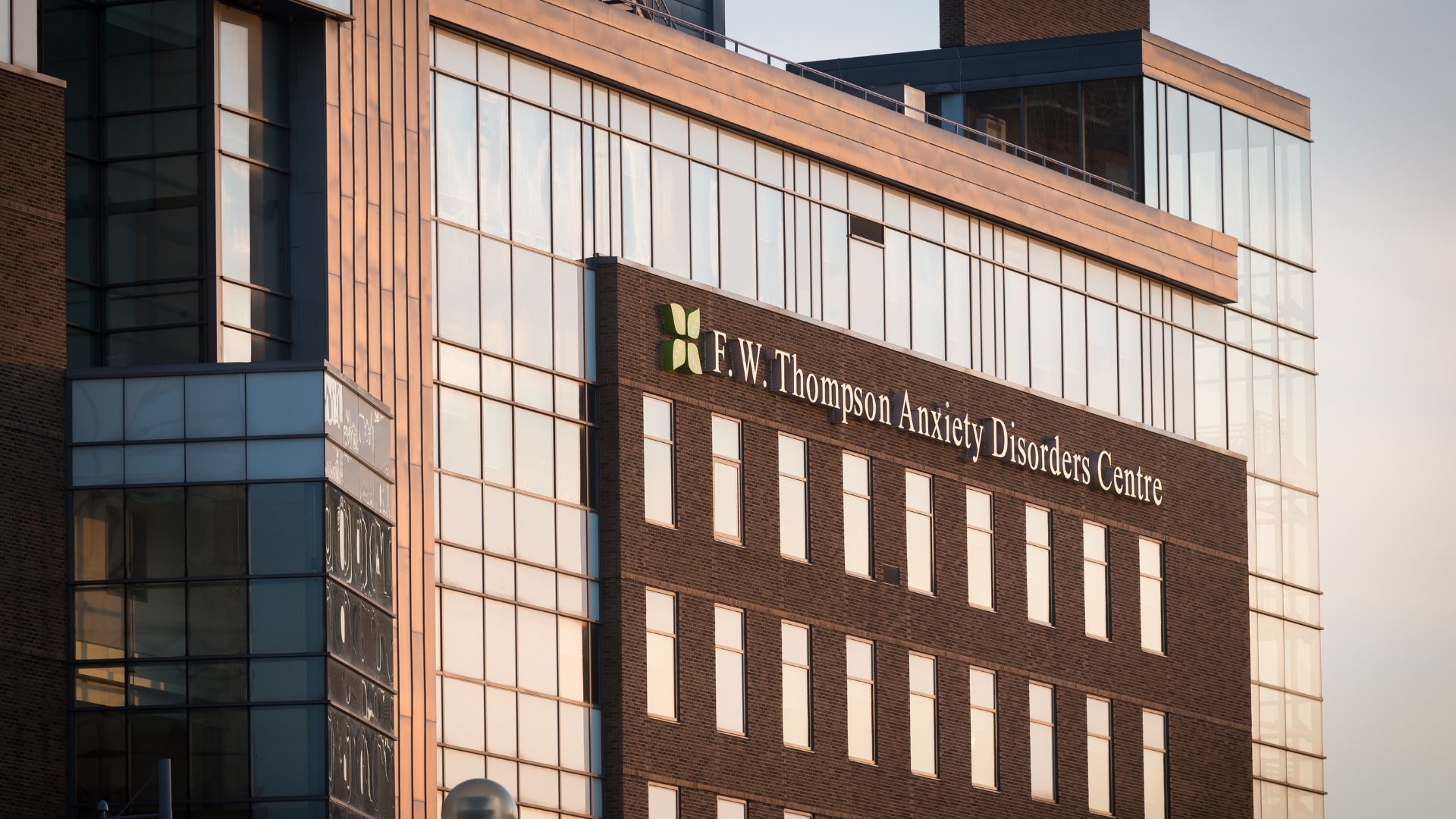
Supporting patients to lead meaningful lives: The Frederick W. Thompson Anxiety Disorders Centre
Sunnybrook’s Frederick W. Thompson Anxiety Disorders Centre has a diverse staff of innovators in research, education, and clinical care of obsessive-compulsive and related disorders. The Thompson Centre is home to Canada’s first intensive residential treatment program for severe obsessive-compulsive disorder (OCD), which provides a safe and therapeutic environment and personalized care to patients. The centre also offers outpatient services like cognitive behavioural therapy and mindfulness based cognitive therapy for the local Sunnybrook community, helping to support more patients with their mental wellness.
The Thompson Centre collaborates with expert clinicians and staff across the Hurvitz Brain Sciences Program highlighting the importance of treating mental and physical health as one. The centre is in the process of moving to a permanent space in K-wing at Sunnybrook’s Bayview Campus.
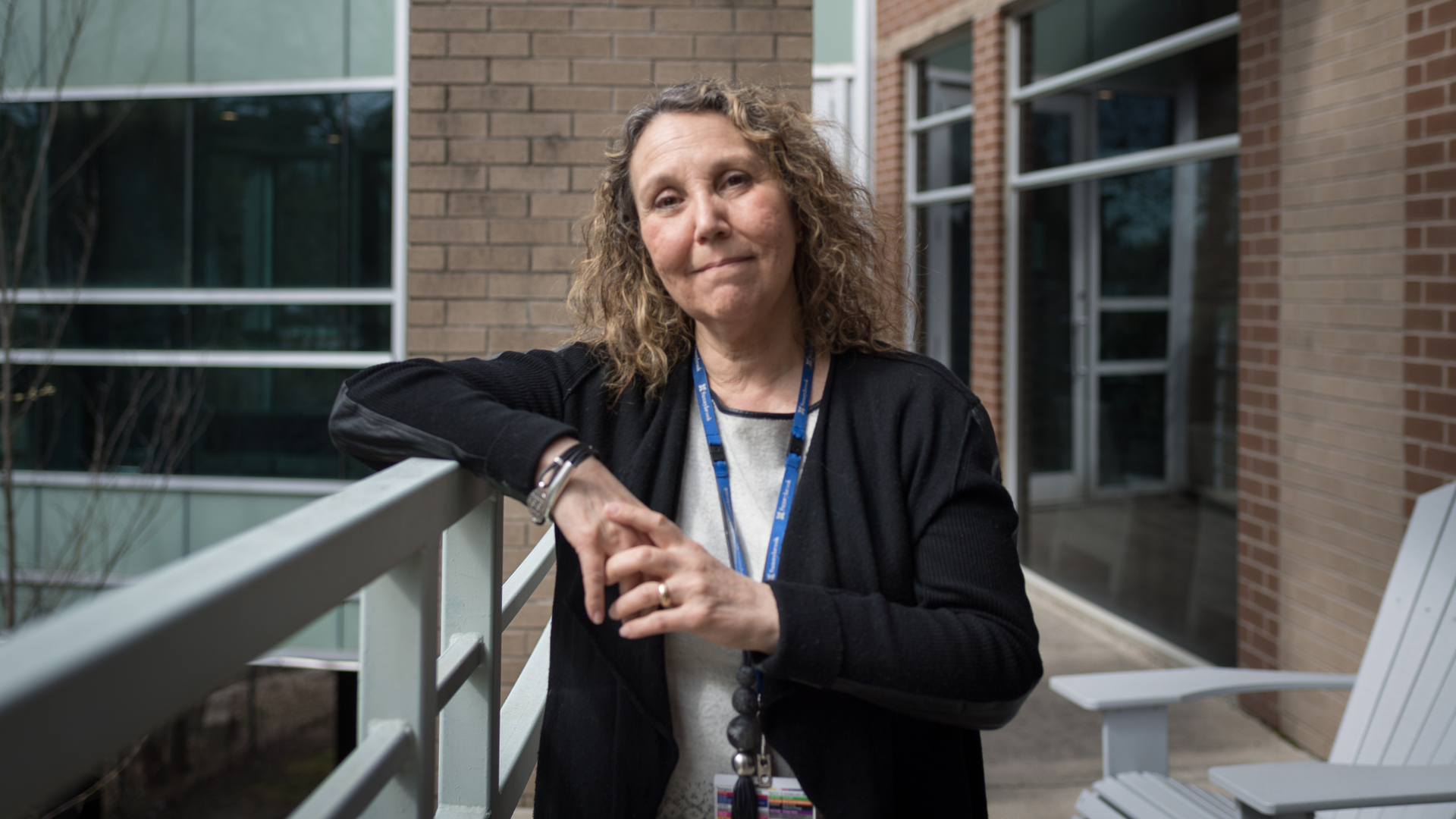
Dr. Peggy Richter is the director of the Thompson Centre and we spoke with her to learn more about the impact the Thompson Centre has on advancing mental health care in Canada and how its compassionate care is impacting patient’s lives.
Tell us about the care provided at the Thompson Centre. What does it mean for patients?
Our mission at the Thompson Centre is to provide, evidence-based, state-of-the-art care for patients with OCD. OCD is a really underrecognized disorder, with specialized expertise and care being really difficult for patients to find. The Thompson Centre is the only program in the country that offers care to patients with OCD across the spectrum of severity, to providing treatment options for those with the most severe, refractory illness.
The Thompson Centre is advancing mental health care in the local community, province and beyond. We offer cognitive behavioural therapy (CBT), a type of therapy that helps patients identify and change negative thought patterns and behaviours, for patients in the Toronto area. We provide a wider swath of Ontario with group CBT for OCD related conditions like skin-picking disorder, hair pulling disorder, hoarding disorder and body dysmorphic disorder, which are services that are unavailable anywhere else in the province.
We also provide consultations for medication, treatment options and diagnostics for patients in Ontario with moderate to severe OCD, who have otherwise failed one type of treatment. We work closely with the Harquail Centre at Sunnybrook to provide neuromodulatory treatments such as transcranial magnetic stimulation (TMS) and novel focused ultrasound neurosurgery for those for whom conventional treatments have not been successful.
Finally, the Thompson Centre has its intensive Day Treatment and Residential programs for those who have not responded to more extensive treatment and who have very severe and impairing illness. This program is caring for patients from across Canada.
How is the Thompson Centre integrating multidisciplinary care and research into patient care?
Research and education play a fundamental role in shaping the evidence-based care provided at the Thompson Centre. As a program in the Hurvitz Brain Sciences Program, we collaborate with interprofessional teams from the Harquail Centre for Neuromodulation to provide treatment options like focused ultrasound, deep brain stimulation and deep transcranial magnetic stimulation to patients with otherwise treatment-resistant OCD.
The care provided at the Thompson Centre would not be possible without our multidisciplinary care teams. Our team is made up of different allied health professionals, including psychiatrists, social workers, psychologists, occupational therapists, music and art therapists, who all play an instrumental role in providing care to our patients. Our integrated approach to care is another defining feature in the leading care the Thompson Centre provides.
Our research informs the care that we provide. Many of the care options we provide, like mindfulness-based cognitive therapy, are the result of clinical studies that our research team has led. The Thompson Centre is using research to constantly improve the care that’s being offered to patients.
Disorders like OCD are often misunderstood. What do you want people to know about OCD and the treatments available from the team at the Thompson Centre?
It is important for people to know that help is available, and there are more options and hope for those with very severe illness from new advancements in the treatment of OCD. No one person’s OCD is the same as another, and through our multidisciplinary, comprehensive and innovative approaches to care, our goal is support patients from across the entire spectrum of OCD.
Education and awareness of OCD is a priority at the Thompson Centre and we have lots of free resources that the community can access to learn more about OCD and the types of treatment available.