


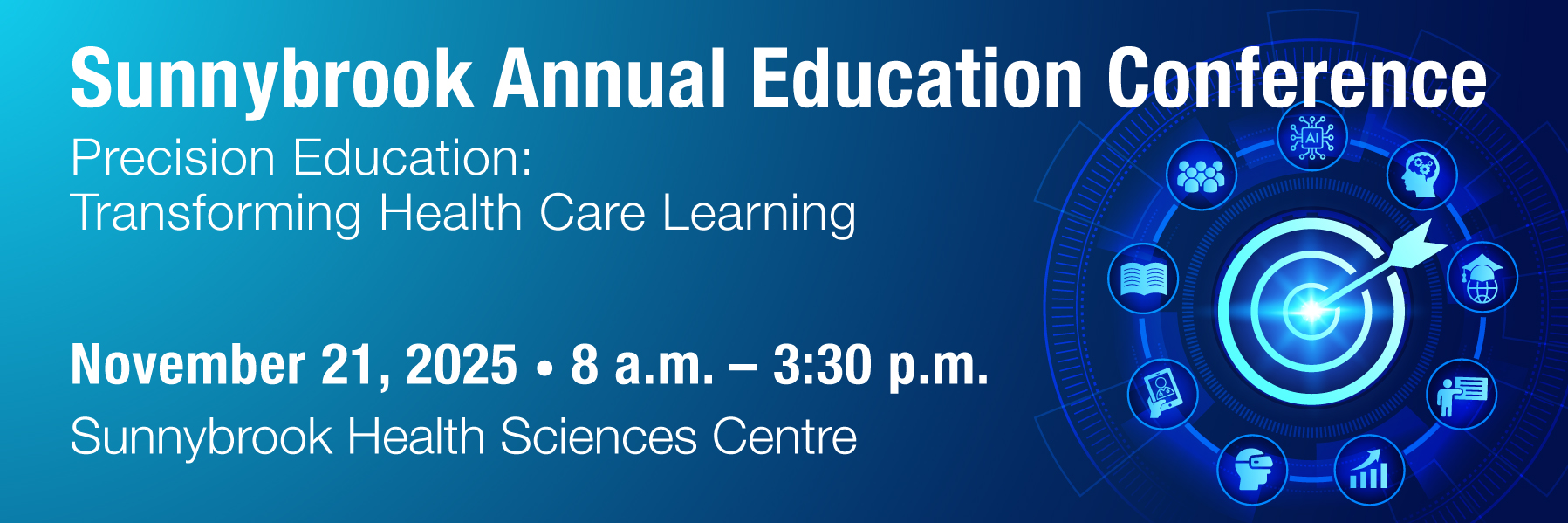
Sunnybrook Education Conference: Friday, November 21, 2025
One size no longer fits all in health care education. Scientific discovery and clinical knowledge are evolving faster than ever before, and so too are teaching and learning. Just as personalized and precise treatments are setting a new standard of patient care, precision education can redefine how we teach, learn and interact with information in the digital age.
Join us at the 13th annual Sunnybrook Education Conference as we explore how tailored learning pathways, AI-powered tools and emerging technologies, and universal design for learning are enabling more personalized, precise and adaptable education experiences.
We are creating a forum to exchange ideas, build partnerships and invent the future of health care education, to make it a flexible, responsive process that meets learners exactly where they are and empowers them to deliver exceptional care.
Friday, November 21, 2025
8 a.m. to 3:30 p.m.
Registration includes breakfast and lunch.
Call for Abstracts
Precision Education: Transforming Health Care Learning invites research abstract submissions for poster display. Abstracts should align with the conference themes: Innovation in precision education; technology-enabled learning and research; neurodiversity and accessibility in education; interprofessional education and collaborative practice. Submit your abstract.
ACCREDITATION DETAILS
This continuing professional development activity is held under the guidance of Continuing Professional Development, Temerty Faculty of Medicine, University of Toronto and Sunnybrook Health Sciences Centre.
College of Family Physicians of Canada Mainpro+® Certified Activity
This activity meets the certification criteria of the College of Family Physicians of Canada and has been certified by Continuing Professional Development, Temerty Faculty of Medicine, University of Toronto for up to 7.0 Mainpro+® Certified Activity credits.
Royal College of Physicians and Surgeons of Canada – Section 1
This event is an Accredited Group Learning Activity (Section 1) as defined by the Maintenance of Certification Program of the Royal College of Physicians and Surgeons of Canada, and approved by Continuing Professional Development, Temerty Faculty of Medicine, University of Toronto. You may claim up to a maximum of 7.0 hours (credits are automatically calculated).
KEYNOTE SPEAKER
 Dr. Viren Naik
MD, MEd, MBA, FRCPC
Chief Executive Officer, Medical Council of Canada
Dr. Viren Naik is the Chief Executive Officer of the Medical Council of Canada, leading its mission to serve as a trusted keeper of physician credentials, and assessor of a physician’s general competencies to inform safe licensure decisions. He is a Professor of Anesthesiology at the University of Ottawa and has over 25 years of experience as an educator, researcher and leader.
Precision Disruption: Challenging Medical Education for a Changing World
In a time of global health workforce pressures, traditional models of medical education are struggling to meet societal needs. This keynote will challenge assumptions about physician competencies and explore how AI, technology and precision education can disrupt outdated paradigms — redefining how we prepare doctors for the future of care. It’s time to rethink, retool and realign training with the realities of a changing world.
Learning Objectives:
- Recognize the gaps between traditional health care training and evolving health care needs.
- Analyze and predict how AI and technology can disrupt and redefine health care provider competencies.
- Identify strategies to advance precision education for a future-ready health workforce.
PANELISTS
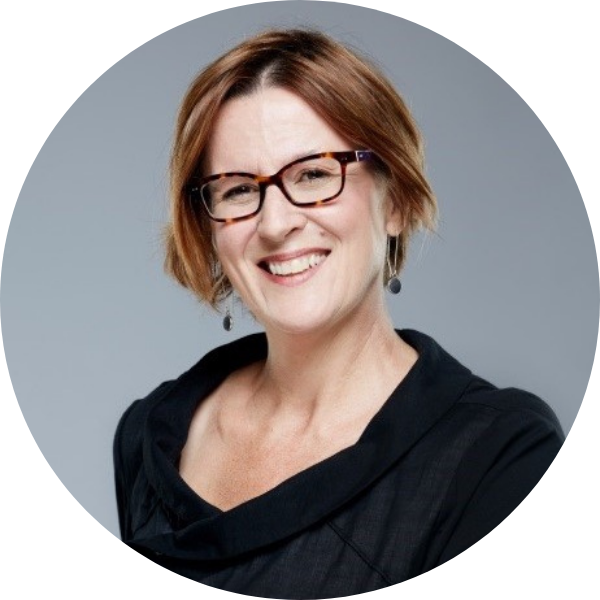
Cate Creede-Desmarais
Program Lead, New and Evolving Academic Leaders Program, Centre for Faculty Development
Cate is an experienced change and strategy consultant, a certified professional coactive coach, an educator and innovator in the sphere of generative leadership, and a hands-on not-for-profit leader. Cate's mission is to design and lead conversations and interventions that mobilize groups toward socially accountable change, while building capacity to lead and influence that change. As a partner in the consulting firm The Potential Group, Cate has designed, facilitated and supported more than 300 strategic planning and change initiatives in health and education and similar environments over the past 20 years. As the Program Lead for the New and Evolving Academic Leaders (NEAL) program (a partnership of Unity Health and the Temerty Faculty of Medicine), Cate has been recognized for leadership and innovation in shaping a comprehensive leadership curriculum around EDIIA principles.
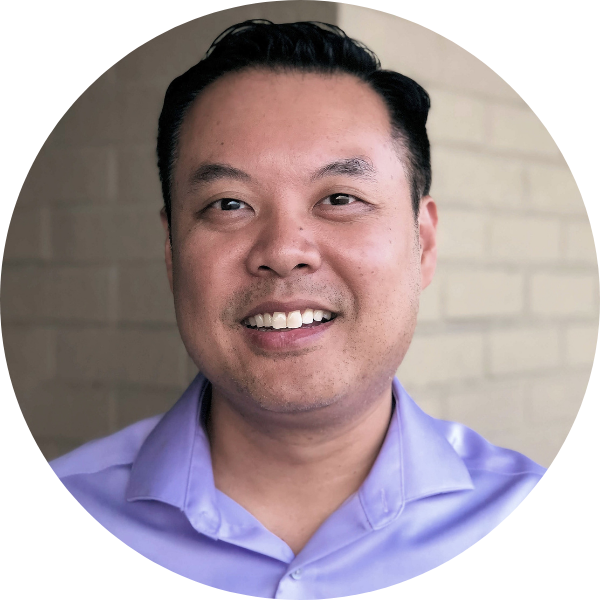
Ron Beleno
Caregiver and Patient Advocate; Health Innovation and Technology Consultant; Advisor to National Health and Research Initiatives
Ron Beleno is a family/friend caregiver, advocate and advisor who supported his late father in living well with Alzheimer’s for over a decade. He is a nationally recognized patient and caregiver advocate, honoured with the Ontario Caregiver Organization’s inaugural Impact Award (2025) and as an AGE-WELL Honorary Fellow (2020) with Canada’s Technology and Aging Network. Ron collaborates with researchers, educators and health innovators across Canada to ensure the voices of patients and families shape learning and system change. His expertise also extends to digital health, AI and emerging technologies, with a strong focus on equity and access for underserved communities. He shares his insights widely, showing how story, lived experience, and innovation can work together to advance more human-centred care and education.
Conference Program
|
Time |
SESSIONS |
|---|---|
|
7:30 – 8:30 a.m. |
Registration and Breakfast McLaughlin Auditorium, EG-18a |
|
8:30 – 8:40 a.m. |
Welcome Remarks and Introductions Dr. Andy Smith, President & CEO McLaughlin Lecture Theatre, EG-61 |
|
8:40 – 9:35 a.m. |
Keynote Address: Precision Education: Transforming Health Care Learning McLaughlin Lecture Theatre, EG-61 |
|
9:40 – 10:15 a.m. |
Q&A and Panel Discussion McLaughlin Lecture Theatre, EG-61 |
|
10:15 – 10:30 a.m. |
Break |
|
10:30 – 11:00 a.m. |
Rapid Fire Research Talks
McLaughlin Lecture Theatre, EG-61 |
|
11:00 – 11:05 a.m. |
Break/Transition Time |
|
11:05 a.m. – 12:35 p.m. |
Concurrent Workshops
|
|
12:35 – 1:35 p.m. |
Lunch & Poster Viewing McLaughlin Auditorium, EG-18a |
| 1:35 – 3:05 p.m. |
Concurrent Workshops
|
| 3:05 – 3:10 p.m. |
Break/Transition Time |
| 3:10 – 3:30 p.m. |
Closing Remarks McLaughlin Auditorium, EG-18a |
WORKSHOPS
Transforming Medical Education: An Exploration of Virtual and Augmented Reality Technologies »
McLaughlin Lecture Theatre, EG-61
Discover how virtual and augmented reality are transforming medical education. This session explores their evolution, current applications, and future potential to deliver precision education – personalized, immersive learning that enhances clinical skills and patient outcomes.
Learning Objectives:
- Explore the evolution of virtual and augmented reality in medical education, clarifying foundational definitions, core features, and their distinct applications.
- Evaluate current use cases in medical training and patient engagement, drawing on live examples and case studies to demonstrate impact.
- Assess the benefits, challenges, and future opportunities of VR and AR, highlighting emerging trends that can advance personalized and effective healthcare education.
Facilitators:
Dr. Fahad Alam
Anesthesiologist and Medical Education Researcher
Sunnybrook Health Sciences Centre
Victoria May
Simulation Project Lead
Sunnybrook Health Sciences Centre
Yun Chen Brad Pang
Graduate Student, Institute of Medical Science
University of Toronto
AI, Microlearning, and Emerging Technologies for Precision Education »
Harrison Hall, EG-21
This workshop will examine the application of AI in advancing precision education and its potential to individualize learning in various health-care settings. Participants will be introduced to emerging AI-driven tools for the design of effective micro-learning resources, and will engage with innovative simulation-based technologies designed to enhance clinical competence including VR/AR with AI capabilities and 3D printing.
Learning Objectives:
- Outline AI opportunities for precision education
- Identify the latest trends and AI tools for creating effective microlearning content
- Explore and interact with immersive technologies, including VR, AR, AI, and 3D printing, to support clinical competence
Facilitators:
Prof. Adam Dubrowski
Professor and Canada Research Chair in Healthcare Simulation
Ontario Tech University
Prof. Bill Kapralos
Associate Professor, Game Development and Interactive Media
Ontario Tech University
Tarsila Da Cruz
Manager, Sunnybrook Canadian Simulation Centre & Library Services
Sunnybrook Health Sciences Centre
Susan DeSousa, BSc, RRT
Simulation Educator
Sunnybrook Canadian Simulation Centre
Emma Wilson, MLIS
Librarian/Information Specialist, Library Services
Sunnybrook Health Sciences Centre
Jennifer Lackner, RN, MN
Simulation Eduator
Sunnybrook Health Sciences Centre
Universal Design for Learning to Inform Curricular Change »
Nursing Education Classroom, E-106
This interactive workshop will explore how Universal Design for Learning (UDL) principles can be leveraged to drive meaningful curricular change in health care education. Participants will engage in hands-on activities and collaborative discussion to examine how UDL can support precision education by fostering equity, flexibility, and learner-centred design.
Learning Objectives:
By the end of this 90-minute workshop, participants will be able to:
- Describe the core principles of Universal Design for Learning and their relevance to precision education in health care.
- Identify opportunities to integrate UDL principles into curricular design and delivery to enhance accessibility and learner engagement.
- Develop actionable strategies to inform curricular change that supports diverse learner needs and contexts.
Facilitators:
Michael Kasprzak
Assistant Director, Centre for Teaching Support & Innovation / Teaching Assistants' Training Program
Samantha Chang
Educational Developer, Teaching, Learning & Technology, Centre for Teaching Support & Innovation
Neurodiversity in Education: How Can We Create Inclusive Learning Environments? »
Goldie Feldman and Family Lecture Theatre, M6-502
This workshop will introduce neurodiversity and neurodivergence as ways of understanding varied learning experiences. Participants will then explore how these intersect with their own professional and learning environments. Finally, participants will learn strategies for designing and delivering inclusive, flexible, and supportive educational experiences for neurodivergent learners in health care education.
Learning Objectives:
By the end of this session, participants will be able to:
- Describe neurodiversity and neurodivergence and explain their relevance to understanding diverse learning experiences in healthcare education.
- Examine the intersection of neurodiversity and neurodivergence with their professional and educational context, and explore how these may impact the learning environment.
- Reflect on current educational practices and identify initial strategies to foster more inclusive, flexible and supportive learning environments.
- Apply non-stigmatizing language when discussing neurodivergent learners and incorporate inclusive terminology into educational practices.
Facilitators:
Cecilia Zabroky, MEd
Organizational Development Associate
Sunnybrook Health Sciences Centre
Amanda Binns, PhD
Assistant Professor, Speech-Language Pathology
University of Toronto
Introduction to Conducting Medical Education Research »
Organizational Development & Leadership Classroom, E1-10
In this workshop, participants will be encouraged to apply curiosity to their workplaces and work experiences at Sunnybrook. With the help of the workshop convener, attendees will ideate possible research studies, their methods and next steps to building their own medical education research study.
Learning Objectives:
- Learn to ideate potential research studies by reflecting on workplaces and work experiences at Sunnybrook.
- Learn to devise research aims and questions, choose research methods, and think through next steps towards building medical education research studies at Sunnybrook.
Facilitators:
Sandalia Genus, PhD
Research Associate
Sunnybrook Health Sciences Centre
Christy Costanian, PhD
Interim Program Manager, Practice-Based Research and Innovation
Sunnybrook Health Sciences Centre
RAPID FIRE RESEARCH TALKS
Educating Cognitively Impaired Patients About Sleep Disorders: A Prospective Study
Mark Boulos, MD, FRCSC, CSCN(EEG), MSc
Staff Neurologist, Sunnybrook
Associate Professor, Temerty Faculty of Medicine, University of Toronto
Effectiveness of Digital Storytelling in Bipolar Disorder
Sandalia Genus, PhD
Research Associate, Sunnybrook
Adjunct Professor, Department of Anthropology, University of Toronto
Integrating Health Equity into Quality Improvement Education
Upasana Panda (Sonia), M.Sc, B.Sc
Research Assistant, Sunnybrook
WORKSHOP FACILITATORS
 Fahad Alam, MD
Dr. Fahad Alam is an Assistant Professor, Anesthesiologist, and medical education researcher at Sunnybrook Health Sciences Centre and the University of Toronto. During his residency training, he completed a fellowship at the Wilson Centre for Research in Medical Education and completed the Clinician Investigator Program at the University of Toronto. He has a Masters in Health Sciences looking at enhancing medical education and knowledge translation.
Dr. Alam is the current Medical & Research Director at the Sunnybrook Canadian Simulation Centre, Chair of both the Canadian Anesthesiologists' Society (CAS) Simulation & Education Section and Continuing Professional Development Committee. Dr. Alam also co-created CHISIL (a virtual & augmented reality lab) and leads its satellite VR/AR learning and clinical application mobile lab at Sunnybrook Health Sciences.
 Amanda Binns, PhD
Amanda Binns is a clinician, researcher and educator in the field of speech-language pathology. She is an assistant professor in the Department of Speech-Language Pathology at the University of Toronto, an education scientist at UHN and is Clinical Education Development Lead at the Centre for Faculty Development (CFD). Drawing from her interprofessional clinical experiences working with neurodivergent individuals, her program of research aims to create more compassionate, individualized and evidence-informed care experiences for neurodivergent clients and their families. She hones a partnership-focused, co-creation approach to her work and incorporates a combination of practice-based research and implementation science methodologies.
 Samantha Chang
Samantha Chang (she/her) is an art historian by day, a classical musician by night, and an educator always. She is an educational developer for Teaching, Learning and Technology at the Centre for Teaching Support & Innovation and a Course Instructor at the Department of Art History, University of Toronto. Samantha's teaching practice integrates inclusive pedagogies, accessible design and the Universal Design for Learning Framework. She is a recipient of the Course Instructor Teaching Excellence Award (2021) and the Arts & Science Superior Teaching Award (2024), and a nominee of the Anne Meyer UDL Design Award (2025).
 Christy Costanian, PhD
Christy Costanian completed her doctoral studies in Epidemiology from York University, Toronto and a post-doctoral fellowship at the University of Ottawa. She was an assistant professor at the LAU School of Medicine in Lebanon for over two years where she worked on her research program in chronic disease risk factors while training and mentoring graduate and undergraduate students. Christy has held positions across research-based health institutes and hospitals in Ontario. Christy is currently interim program manager of Practice-Based Research and Innovation (PBRI) at Sunnybrook Health Sciences Centre, where she supports allied health professionals’ quality improvement and research projects.
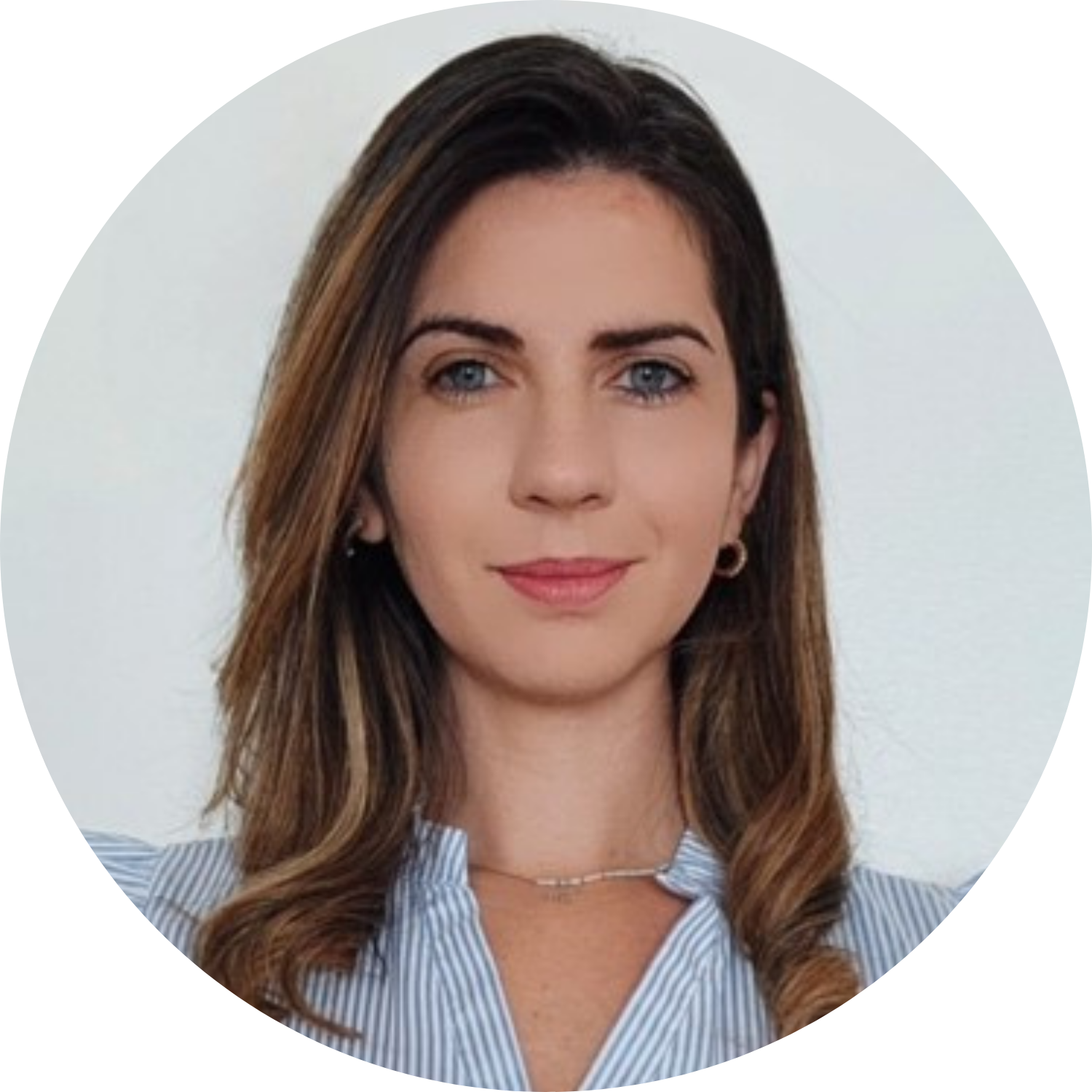 Tarsila da Cruz
Tarsila da Cruz is the Manager of the Sunnybrook Canadian Simulation Centre and Library Services. She brings more than nine years of experience in adult education, with a focus on simulation and immersive learning. Tarsila holds a Bachelor of Nursing and a post-graduate certificate in Occupational Health & Safety Management. Her work centers on faculty development, building high-performing teams through simulation, advancing patient safety, quality improvement and fostering innovation in education. Her professional interests include knowledge acquisition and translation, health literacy, risk management, analytics, and systems development
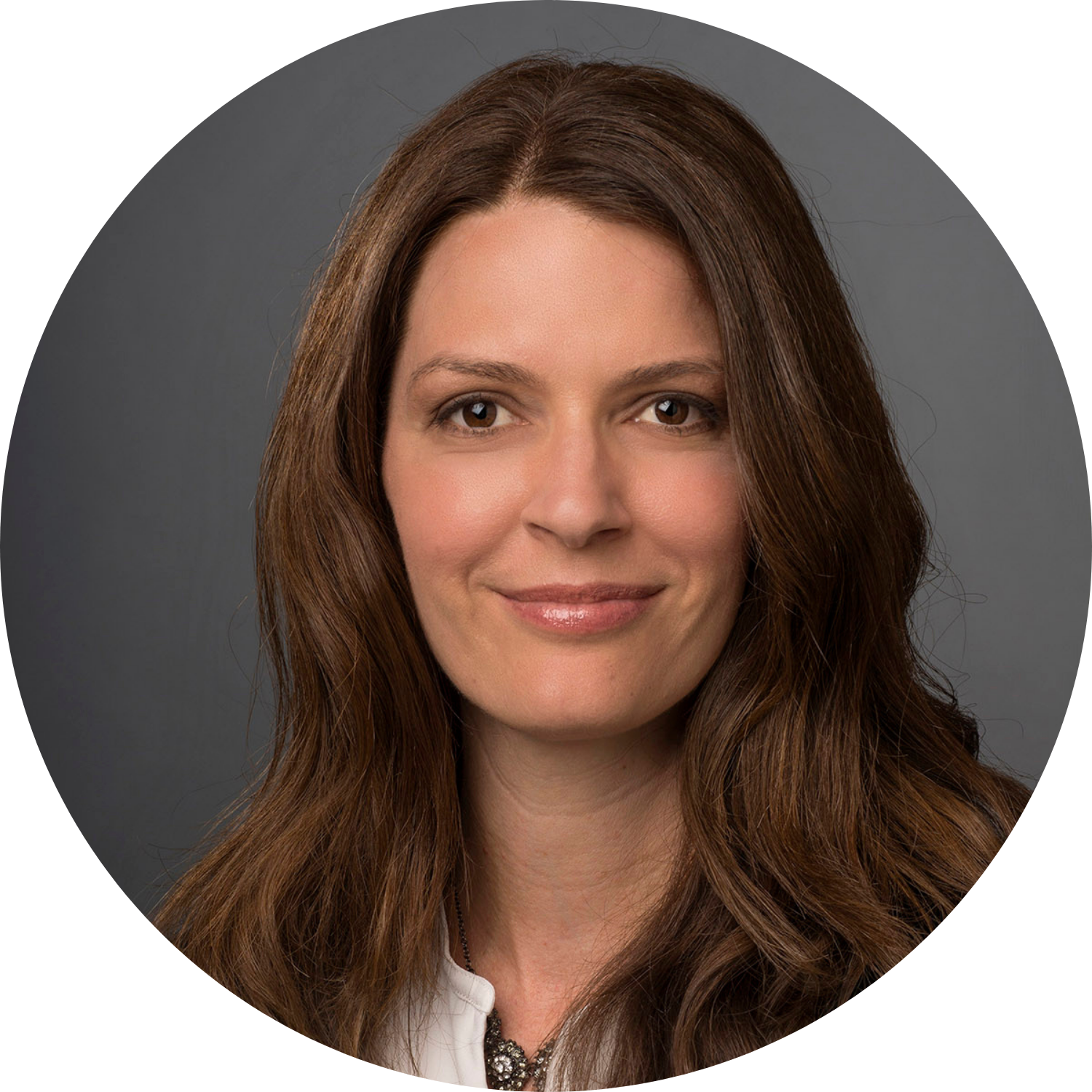 Susan DeSousa, BSc, RRT
Susan DeSousa is a simulation educator at the Sunnybrook Canadian Simulation Centre with experience spanning over 24 years in health care simulation and 11 years as a registered respiratory therapist. Her clinical background includes experience in critical care, research, burn care and the operating room, enabling a comprehensive understanding of health-care delivery at its most complex levels. Susan’s work focuses on empowering health-care teams through simulation to build high-performing teams, simulation for systems design and process improvement and supporting faculty development.
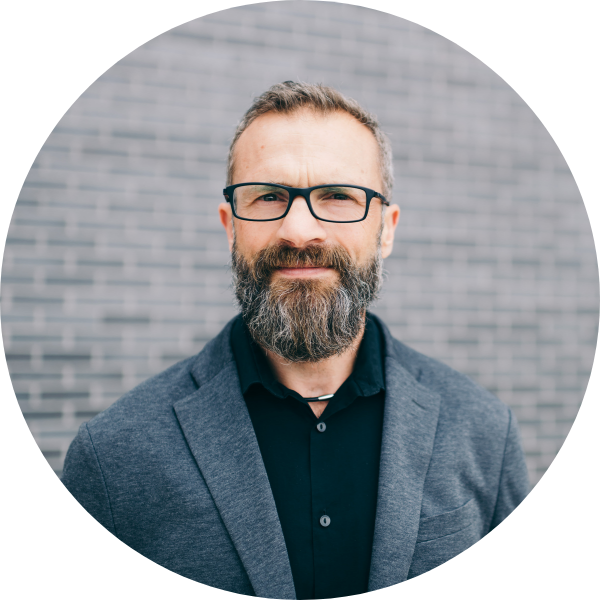 Adam Dubrowski, PhD
Adam Dubrowski is a Professor and Canada Research Chair in Healthcare Simulation at Ontario Tech University, where he founded the maxSIMhealth Living Lab. He currently leads a pioneering training program for simulation technicians that prepares health science students for leadership roles in simulation-based health care education Dr. Dubrowski’s research spans simulation-based skill acquisition, assessment, and retention, with growing focus on disruptive technologies like 3D printing and virtual learning environments.
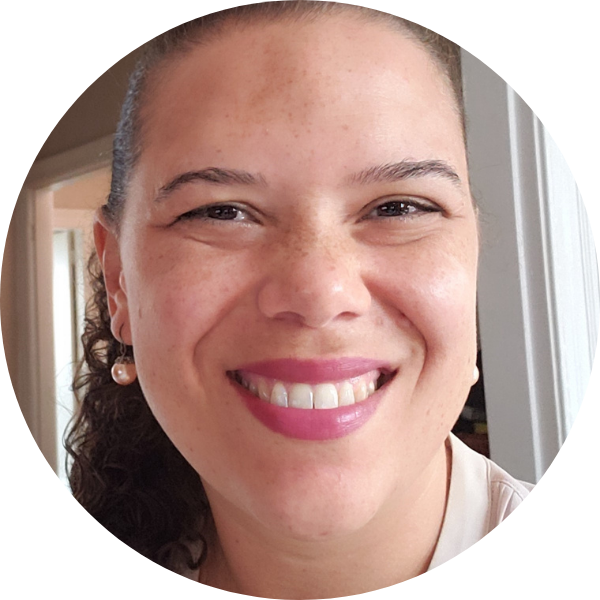 Sandalia Genus, PhD
Sandalia Genus has a PhD in social anthropology from the University of Edinburgh, and is a Research Associate at Sunnybrook and Adjunct Professor in the Department of Anthropology at the University of Toronto. She has conducted numerous qualitative and mixed-methods studies about medical education, health partnerships and integrated care in Tanzania, Europe and Canada.
 Bill Kapralos
Bill Kapralos is an associate professor within Game Development and Interactive Media program and the maxSIMhealth Laboratory at Ontario Tech University. His current research interests include immersive technologies, serious gaming, multi-modal virtual environments/simulation/reality, and spatial sound generation.
 Michal Kasprzak
Michal Kasprzak (he/him) has over 20 years of experience in higher education working as an educational developer, instructional designer and teacher. Currently, he is Assistant Director at the Centre for Teaching Support and Innovation for the Teaching Assistants' Training Program. He works closely with graduate students and faculty exploring a range of teaching-related issues such as teaching presence in online learning, the intersection of UDL and decolonization, leadership in educational development, students as partners and accessibility.
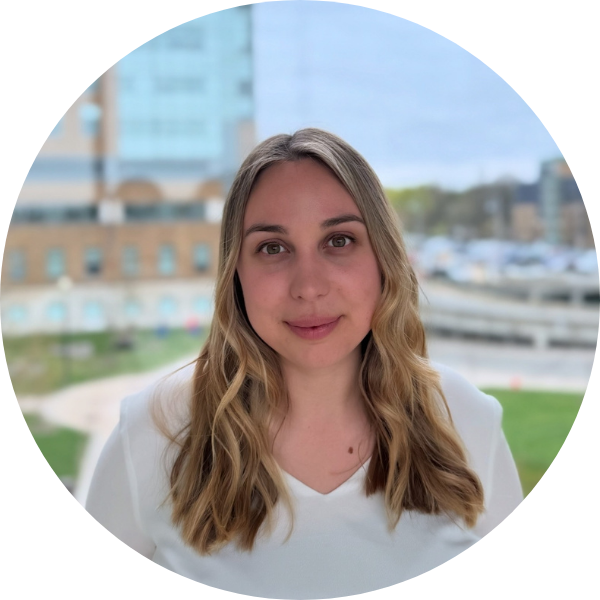 Jennifer Lackner, RN, MN
Jennifer Lackner is a simulation educator at the Sunnybrook Canadian Simulation Centre. Jennifer is a registered nurse with a Masters of Nursing from the University of Toronto and brings a strong clinical background in emergency nursing and the cardiac catheterization lab. In addition to her clinical roles, Jennifer is a certified Basic Life Support (BLS) and Advanced Cardiovascular Life Support (ACLS) instructor. Jennifer is passionate about simulation-based education and is dedicated to advancing learning through innovative teaching methods.
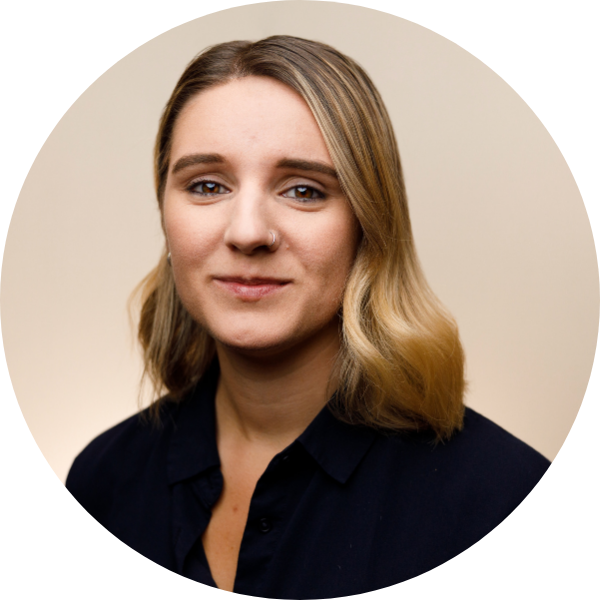 Victoria May
Victoria May joined the Sunnybrook Canadian Simulation Centre in 2021 and is the Simulation Project Lead. She brings over 10 years of experience managing complex initiatives across health care and other sectors, with expertise in audio engineering, media and event production, and virtual reality. Victoria combines technical knowledge with strategic leadership to oversee project delivery, build collaborative partnerships, and drive growth initiatives focused on measurable outcomes. Passionate about integrating systems and advancing innovative approaches, she is dedicated to enhancing simulation and education to improve health-care training and outcomes.
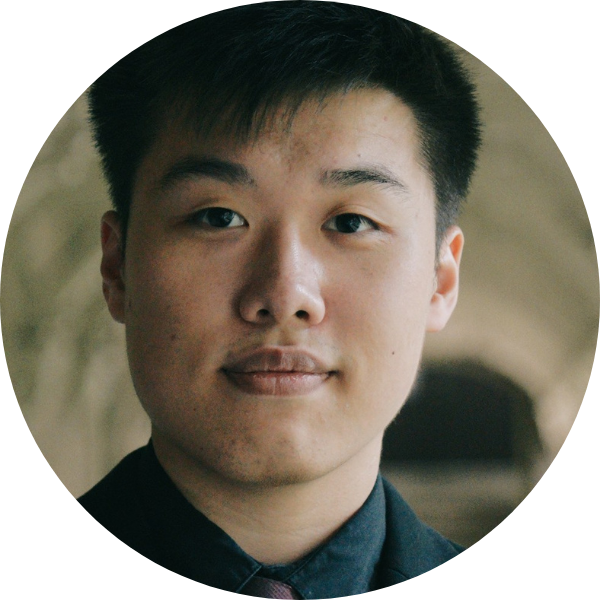 Yun Chen (Brad) Pang
Brad is a second-year Masters student in the Institute of Medical Science at the University of Toronto. His thesis project focuses on investigating if virtual reality technology can be an effective tool in teaching both patients and medical professionals about electroconvulsive therapy.
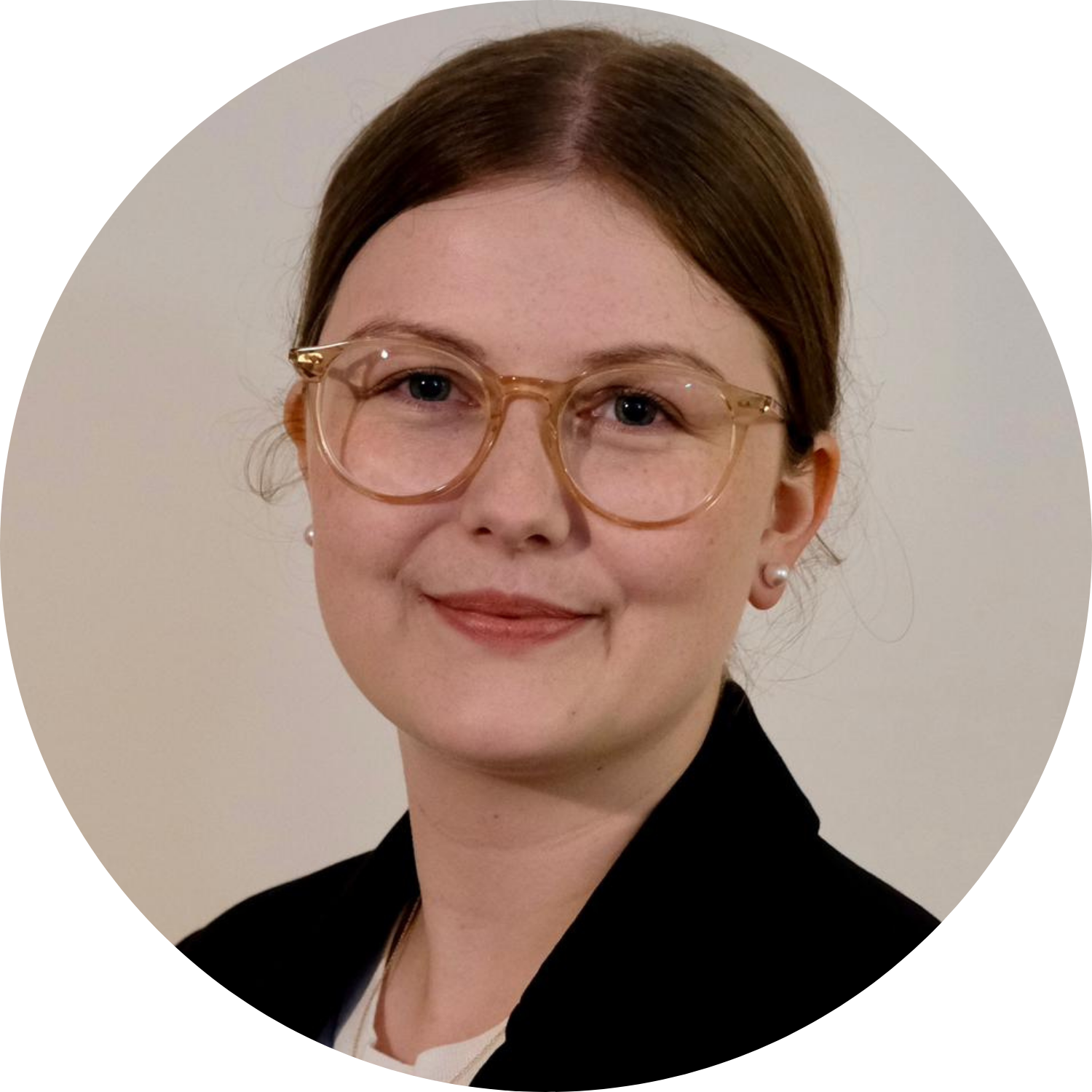 Emma Wilson, MLIS
Emma Wilson is a librarian/information specialist with a MLIS degree from Western University. She joined Sunnybrook Health Sciences Library in 2024 with a desire to influence and support health science research to improve patient outcomes. Working in academic research, federal government and public health settings has created a diverse perspective that has allowed her to utilize her hands-on experience to support staff and students across their research journey. Through her expert searching and customized tutorials/consultations, Emma contributes to the depth and breadth of Sunnybrook’s academic output. She is particularly passionate about inspiring and supporting emerging researchers to advance their skills and make new breakthroughs in their research.
 Cecilia Zabroky, MEd
Cecilia Zabroky is an organizational development associate at Sunnybrook with experience in community and health care settings. She holds a Bachelor’s in psychology, a post-graduate diploma in recreation therapy, and a Master’s in adult education and workplace learning. Cecilia has led quality improvement and interprofessional education initiatives, and more recently has facilitated workshops on inclusion, diversity and equity. Her work includes exploring neurodiversity and inclusive practices, with a focus on supporting different learning experiences.
In partnership with


