Scientist profiles G-L
SRI profiles
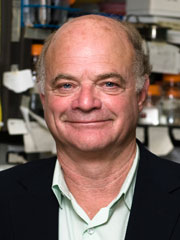
Senior scientist
Sunnybrook Health Sciences Centre
2075 Bayview Ave., Room S2 17
Toronto, ON
M4N 3M5
Administrative Assistant: Cassandra Cheng
Phone: 416-480-6100 ext. 63537
Email: cassandra.cheng@sri.utoronto.ca
Education:
- BA, 1968, life sciences, University of Toronto, Canada
- PhD, 1972, microbiology and immunology, Queen's University, Canada
Appointments and Affiliations:
- Senior scientist, Biological Sciences, Odette Cancer Research Program, Sunnybrook Research Institute
- Professor, medical biophysics, U of T
- Canada Research Chair in Tumour Biology, Angiogenesis and Antiangiogenic Therapy, Tier 1 (2001–2015)
Research Focus:
- Translational research studies of antiangiogenic therapy, immunotherapy and metronomic chemotherapy for the treatment of early-or late-stage metastatic disease of breast, kidney, ovarian, colorectal, liver cancers and melanoma using new preclinical models developed for this purpose.
Research Summary:
It is well known that patients with advanced visceral metastatic disease represent a daunting therapeutic challenge. In this circumstance, most treatments are designed to be palliative. Dr. Kerbel’s group has been developing several preclinical strategies designed to improve the efficacy impact of cancer therapy in such patients without necessarily increasing toxicity substantially.
One strategy consists of the development of multiple models of postsurgical advanced metastatic disease in mice with which to study the biology of metastasis and treatment of late-stage disease—a circumstance that has rarely been preclinically modeled previously by others. These models include breast, ovarian, colorectal and renal cell carcinoma, as well as malignant melanoma and locally advanced hepatocellular carcinoma. Models to mimic ‘adjuvant’ treatment of early stage micrometastatic disease have also been developed.
A second strategy consists of evaluating a therapeutic concept being pioneered in Dr. Kerbel’s lab known as continuous, low–dose, ‘metronomic’ chemotherapy. This way of administering chemotherapy is less toxic than conventional maximum tolerated dose chemotherapy and can be readily combined with targeted biologic drugs, including antiangiogenic agents and immune checkpoint drugs, for prolonged periods of time. Dr. Kerbel’s preclinical studies have helped contribute to the decision to initiate many Phase 2 and even Phase 3 clinical trials around the world, of which one recent Phase 3 trial result has provided preliminary evidence for concept validation for metronomic chemotherapy combined with a targeted antiangiogenic drug in metastatic colorectal cancer patients.
His current studies are focused primarily on evaluating mechanisms of metronomic chemotherapy as well as antiangiogenic drug therapy, especially when the two types of agents are administered concurrently. He has also recently embarked on a new research program in immunotherapy. Importantly, his recent studies have also provided a partial resolution to the paradox of why anti-cancer therapies frequently work extremely well in tumour-bearing mice but not in patients with metastatic disease.
Other studies include evaluating the basis of resistance to antiangiogenic drugs, and how different antiangiogenic agents alter responsiveness to chemotherapy. The immunotherapy program is concentrating on the development of new preclinical models to evaluate checkpoint inhibitors. These models involve treatment of metastatic disease, both early-and late-stage, and isolating murine tumor subline variants, which are much more sensitive to immune checkpoint therapy than is generally the case in the literature.
Selected Publications:
H Factor: 108; over 45,000 citations; 424 published papers since 1971.
- Kuczynski EA, Krueger J, Chow A, Xu P, Man S, Sundaravadanam Y, Miller JK, Krzyzanowski P, and Kerbel RS. Impact of chemical-induced mutational load increase on immune checkpoint therapy in poorly responsive murine tumors. Mol Cancer Ther. 2018 Apr;17(4):869–82.
- Khan KA and Kerbel RS. A CD276 antibody guided missile with one warhead and two targets: the tumor and its vasculature. Cancer Cell. 2017;31:469–471.
- Wu FTH, Man S, Xu P, Paez-Ribes M, Lee CR, Pirie-Shepherd SR, Emmenegger U, and Kerbel RS. Efficacy of co-targeting angiopoietin-2 and the VEGF pathway in the adjuvant postsurgical setting for early breast, colorectal, and renal cancers. Cancer Res. 2016;76:6988–7000.
- Kerbel RS and Shaked Y. Therapy-activated stromal cells can dictate tumor fate. J Exp Med. 2016;213:2831-2833.
- Kuczynski EA, Yin M, Bar-Zion A, Lee CR, Butz H, Man S, Daley F, Vermeulen PB, Yousef GM, Foster FS, Reynolds AR, Kerbel RS. Co-option of liver vessels and not sprouting angiogenesis drives acquired sorafenib resistance in hepatocellular carcinoma. J Natl Cancer Inst. Forthcoming 2015.
- Jedeszko C, Paez-Ribes M, Di Desidero T, Man S, Lee CR, Xu P, Bjarnason GA, Bocci G, Kerbel RS. Orthotopic primary and postsurgical adjuvant therapy renal cell carcinoma models reveal potent anti-tumor activity of metronomic oral topotecan with pazopanib. Sci Transl Med. 2015 Apr 8;7(282):282ra50.
- Ebos JM, Mastri M, Lee CR, Tracz A, Hudson JM, Attwood K, Cruz-Munoz WR, Jedeszko C, Burns P, Kerbel RS. Neoadjuvant antiangiogenic therapy reveals contrasts in primary and metastatic tumor efficacy. EMBO Mol Med. 2014 Oct 31;6:1561–76.
- Kuczynski E, Sargent D, Grothey A, and Kerbel RS. Drug rechallenge and treatment beyond progression in oncology: implications for drug resistance. Nat Rev Clin Oncol. 2013 Oct;10(10):571–87.
- Guerin E, Man S, Xu P, and Kerbel RS. A model of postsurgical advanced metastatic breast cancer more accurately replicates the clinical efficacy of antiangiogenic drugs. Cancer Res. 2013 May;73(9):2743–8.
Related News and Stories:
- A model to mimic: Scientist proves the importance of doing preclinical cancer studies in all stages of disease (Feb. 20, 2019)
- A sound pairing: Biologists and imaging scientists team up to tackle questions in cancer (Oct. 7, 2016)
- CIHR responds to revolt while releasing results: Peer rebellion brings promise of change to granting agency (July 18, 2016)
- Overcoming treatment resistance in cancer: Therapy can simply stop working, to devastating end. New research gets closer to why (SRI Magazine, 2016)
- Liver cancer co-opts blood vessels to become drug resistant: new insights into treatment resistance identify potential drug targets (April 7, 2016)
- On Target?: The promise and challenges of molecular therapies (SRI Magazine, 2012)
- SRI cancer researcher gets "distinct" praise: Dr. Bob Kerbel is named a 2011 Man of Distinction by the Israel Cancer Research Fund (Nov. 23, 2011)
- Blooming where she's planted: Postdoctoral fellow grows into independence, with remarkable success (SRI Magazine, 2010)
- Hot paper: antiangiogenic drugs: Highly cited paper suggests circumstances where antiangiogenic drugs may accelerate growth of metastatic cancer (Nov. 4, 2010)
- Advances in cancer research: Exploring Angiogenesis (March 3, 2009)
- CIHR taps SRI PIs: Latest funding round awards $3 million-plus (Aug. 26, 2008)
- In sickness and in health: SRI scientists explore angiogenesis (Sunnybrook Resarch Institute Research Report, 2004–2006)
- Funding promising research: Canadian Cancer Society grants six SRI scientists awards for new treatment, detection and quality of life research (Oct. 28, 2005)
- Chronic care (Sunnybrook Research Institute Research Report, 2002–2004)
Related Links: